Nagoya City, Aichi Prefecture
phosphate treatment
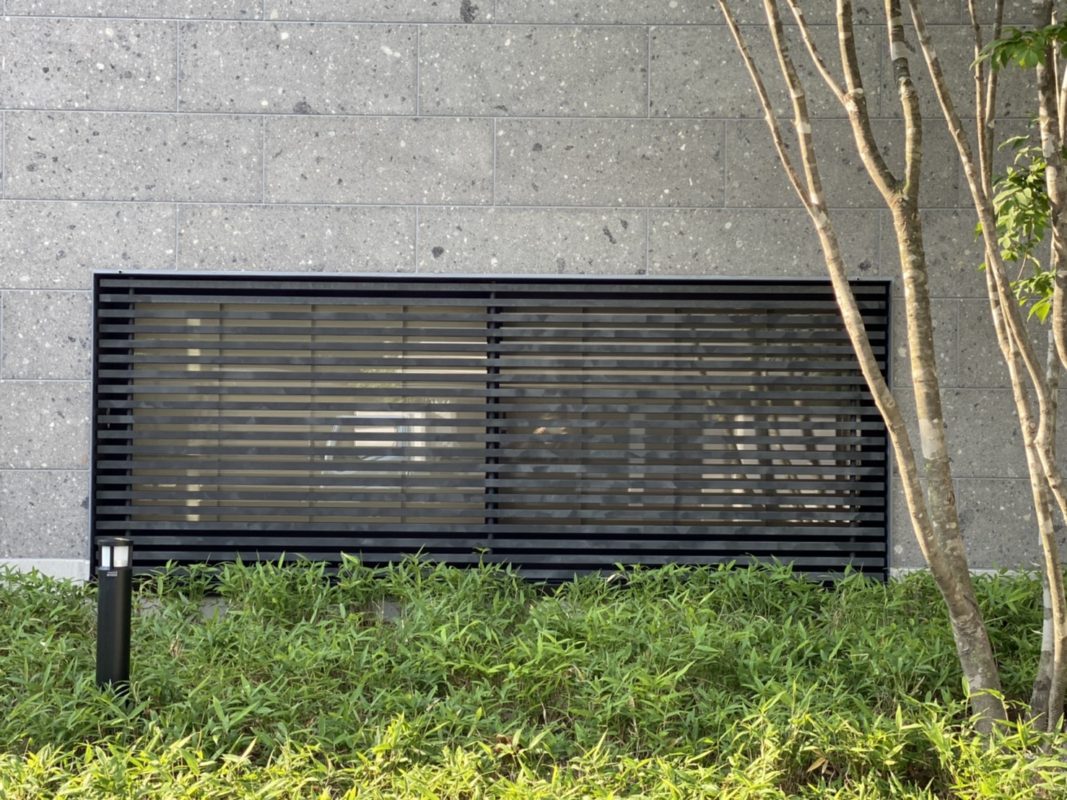
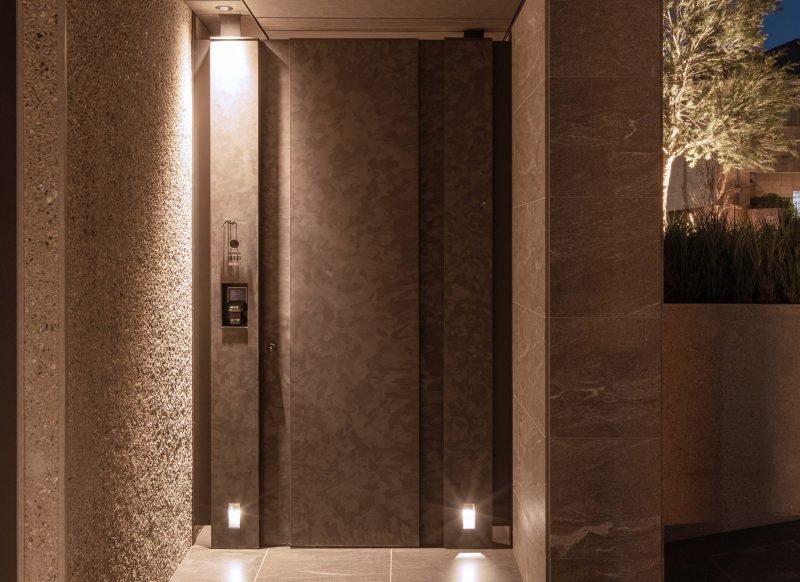
Phosphating is a relatively popular technology in the metal decoration field. It creates a quartz-like stone-like decorative expression on metal surfaces, providing a modern and sleek impression. In the past, it was often used on the facades of relatively large buildings, but now it is also popular for use on residential gates. However, because it is so popular, it is difficult to treat, and especially when durability is important, it tends to cause problems unless it is done by a professional. This was exactly the case with the request that came to our company this time. The surface coating was not applied properly after phosphating, so it could not withstand rainwater and humidity, and the surface had turned white and dirty. This is a trend that is quite common these days, but it can be attributed to a lack of knowledge or research by the contractor who first worked on the project. However, it is not only the builder's fault. Solid construction costs money. Lack of knowledge on the part of the ordering party can also be an important point.
Difficult to do with some repairs.
Now, for this repair, it is best to redo the entire surface. It looked like it could be partially repaired, but the phosphate-treated area absorbs light. However, if the area was painted, the light would be repelled only in that part of the area. In other words, only the repaired area treated with paint would stand out, as if a band-aid had been applied. Originally, after galvanizing, phosphating, and then white rust-preventive treatment, the best coating would be selected from various coatings. So we tried a new method, which we have been researching, and which we believe is the most effective and efficient way of repairing the white rust.
Textures produced.
First, we spray on Metal Surface zinc. At this stage, we prepare zinc in multiple colors in advance. Then, we prepare several stencils. That’s right—we’re essentially painting it on. In reality, the only option for parts that have undergone phosphating is to redo them, but in this case, they had already been installed on the exterior walls of the house. So, we treated them by creating the colors and “reproducing” the same texture. Since Metal Surface zinc is the metal itself—not a coating—it provides the same sacrificial corrosion protection as before while also producing the same texture as the phosphated areas. Thanks to this, we were able to perform a repair that was virtually indistinguishable from the original. This method is the result of our ongoing research. At Aichi Metal, we conduct various research projects on a daily basis. Since these methods are being put to use in a wide range of real-world applications, we look forward to sharing more about them in the future.