AICHI METAL
Technology Case Study
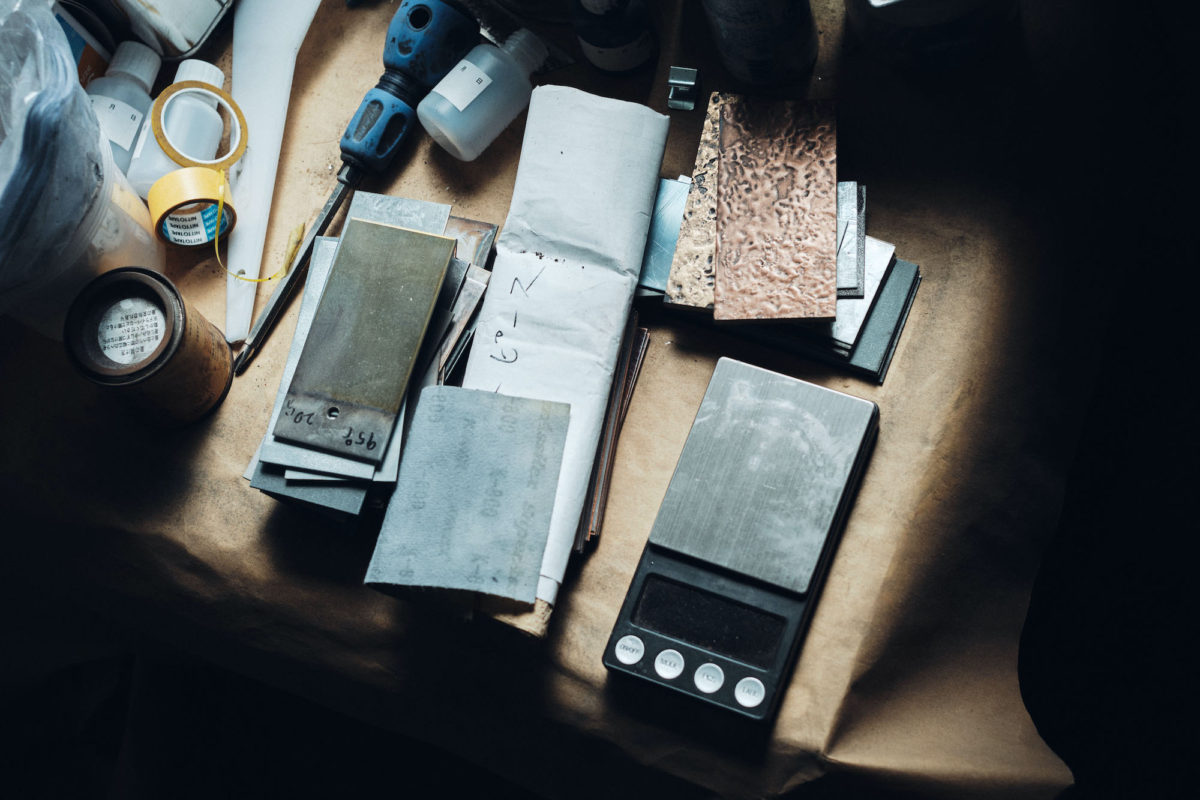
The topcoat agent we had been using until around 2020 had no quality problems, but the hardness of the coating film was soft for our needs for various surface decoration treatments, and the coating film was prone to scratches. Of course, all of this occurs in the process, and there is no problem with the final finished product. However, it was difficult to achieve the calculated decoration in the process, and the processing time and effort required were considerable, so we continued to research ways to improve the process. Therefore, we conducted several demonstrations of higher coating film hardness at the same time. We practiced a variety of methods, but the most important was the cold/heat cycle test. This is a very simple test process in which the coating is alternately exposed to hot and cold water. However, it requires patience, as we judged the progress along the way and changed the time and frequency of the test.
Improved operational efficiency from topcoat.
The results of trying multiple types of materials and topcoats were obvious. With different types, the results were as expected. The materials we prepared were about 20 pieces each of black leather steel plate and SUS304 steel plate. While measuring the thickness of the paint film and other details, we also conducted a detailed investigation of how each paint film varied. As a result, we adopted a new topcoat agent and updated the process management and technical aspects based on that material. Today, we have already completed the introduction of the new system and it is proving to be highly effective.