AICHI METAL
Case Studies
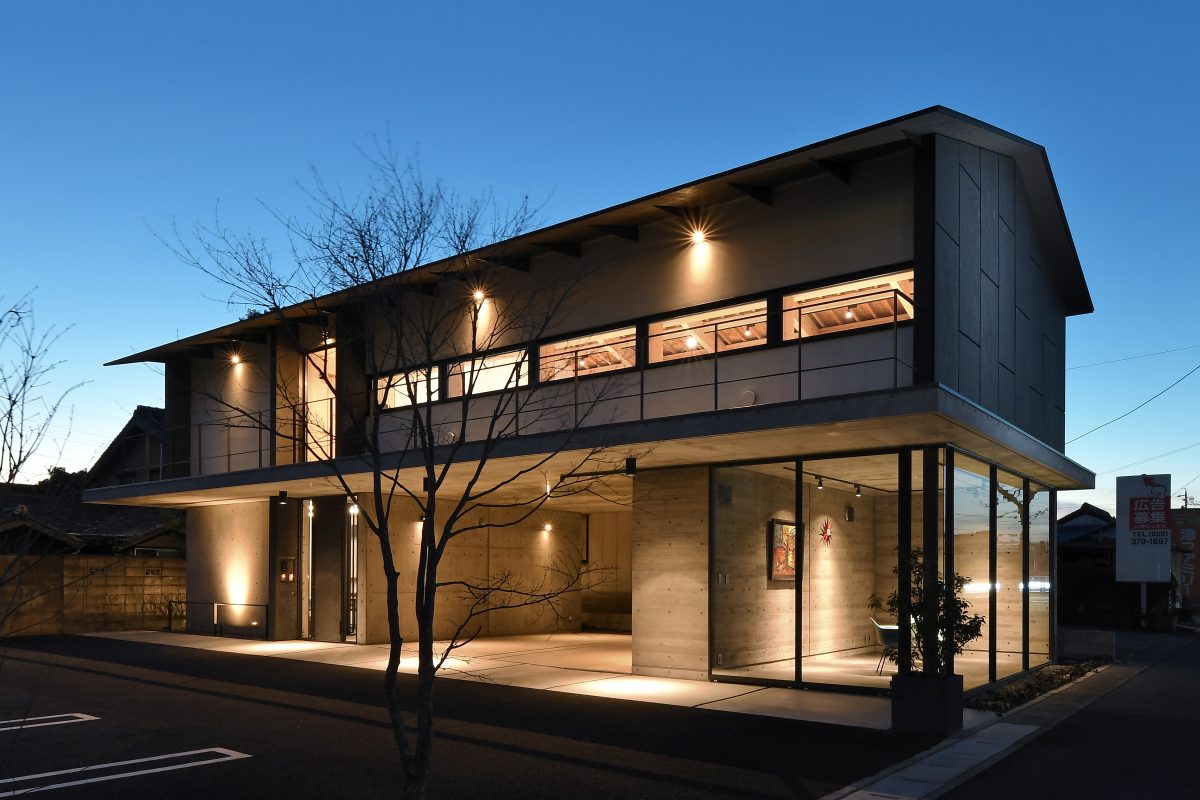
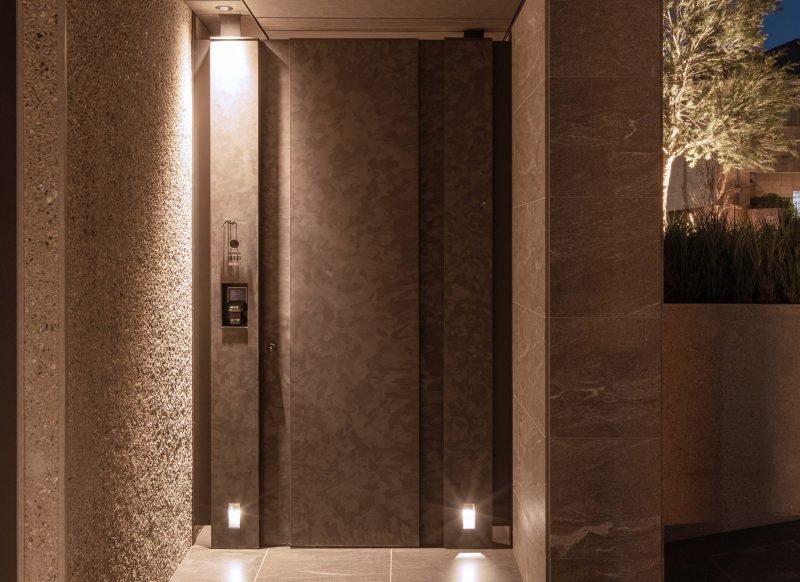
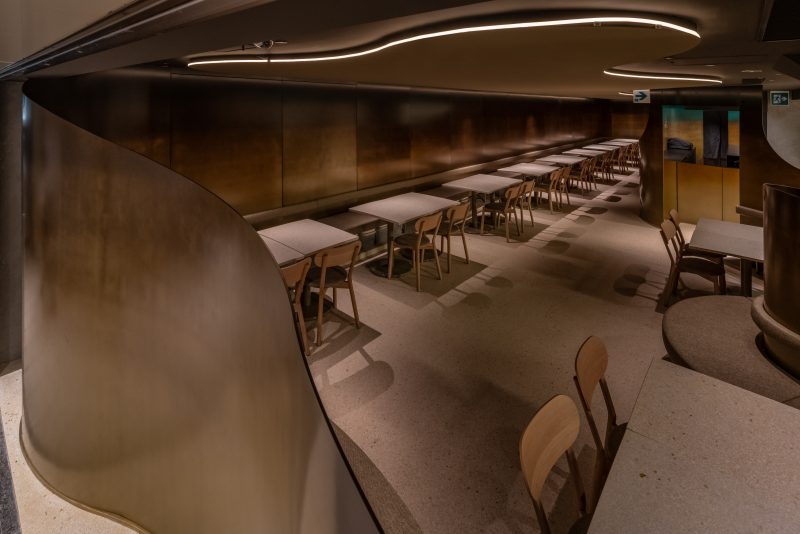
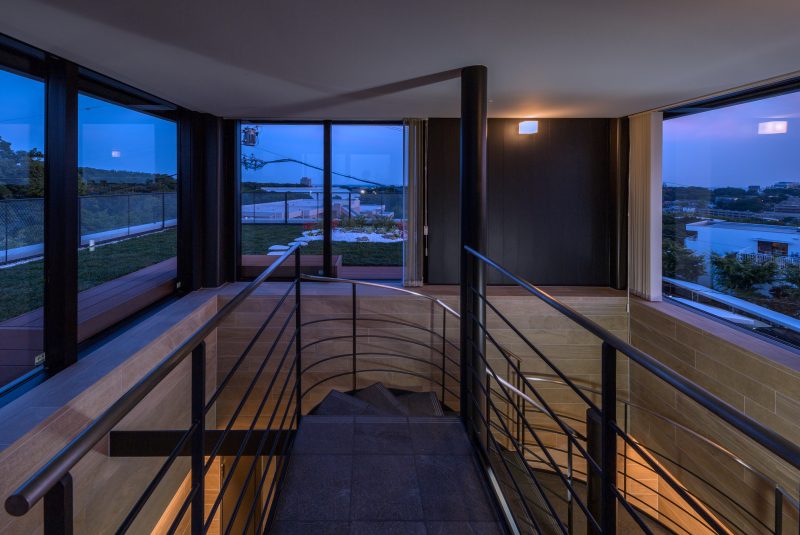
An office, whether large or small, serves as the face of a corporation. The projects that come to us, mainly for large offices, are basically interior component requirements. These are requests for relatively large sizing components such as metal components around reception areas and interior office walls. Recently, we have also seen an increase in components that respond to diverse designs, such as internal staircases and railings. For small and medium-sized offices, it is more diverse. In some cases, we can provide exterior walls, staircases, and even furniture. The main difference between residential and office buildings is durability. Of course, the requirements for housing are also very high, but in the case of offices, the number of people who come into contact with the building is much greater, so this is a requirement. This project is a single office building that has been carefully designed. We worked on both the exterior and interior of the building, including exterior walls, doors, intercom panels, and staircases. For the exterior, in particular, we focused on establishing a method that would allow the exterior to withstand the weather and maintain its good quality for a long time, as the phosphating process was ordered to create a look.
Quality and "what should be expressed
When working on several important items in one property, the important thing is how to ensure a sense of unity. The techniques used in this project are truly complex. Bending, assembly, painting, phosphating, and the list goes on and on, but each one has its own important quality control. The benchmark is the "what should be expressed" as a property. Based on the understanding that is developed in the shared intent with the architects, we perform unified quality control while using different techniques, tuning them little by little. Take color, for example. It is of course possible to standardize only the color of the finished product, but if there is a large difference in the process when considering aging, for example, problems are likely to occur when the final product is built over time. Of course, it is difficult to calculate everything for decorative metal treatments, as changes over time vary greatly depending on the location and time period, and maintenance will occur more than once. Even so, we believe that it is significant that we take this into consideration during the production stage of the process.
The finished product is all harmony.
It is not as if we, as a company that supplies only some of the components, have a light responsibility in the finishing of a building. In the end, it is the harmony of each and every component that is important. We believe that a building is the ultimate creation, which is the result of precise calculations and the accumulation of finished products. Maintenance is also important. Even after completion, if there are any changes in the components we have worked on that are of concern, we place great importance on checking them immediately at the site. This is because post-completion changes can lead to a review of the quality of the process. Even though they are parts and materials, items that appear on the surface of a building play an important role in determining the overall intent of the building. Can we face the process with an image of the completed building that can be seen on the other side of the component? And what should be our quality? Our thinking is also deepened by taking into account the unique characteristics of buildings that welcome a variety of customers, as is the case with this office building in particular.